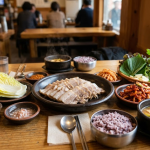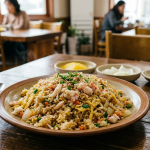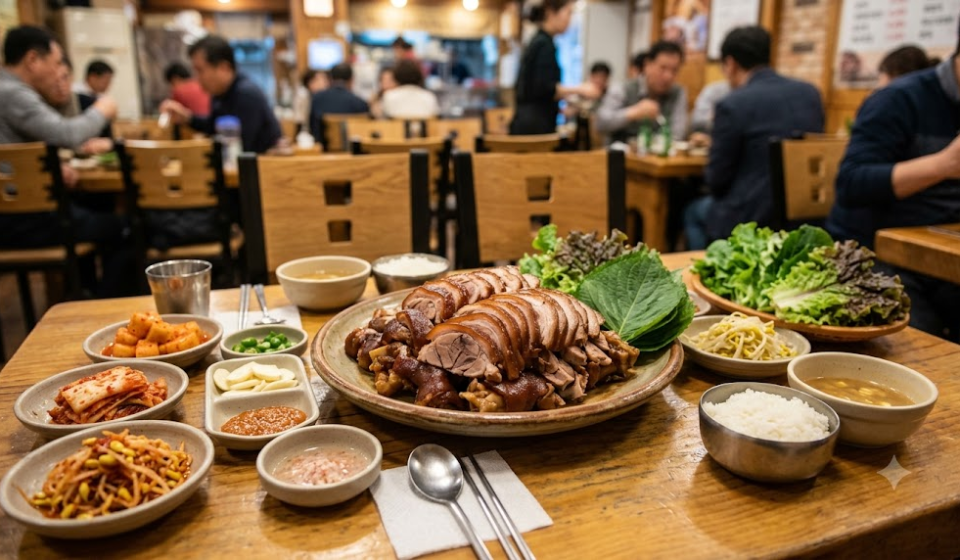

On a jokbal restaurant menu, the familiar word ‘jokbal’ often appears next to terms such as front leg, hind leg, spicy jokbal, and cold jokbal. When a set also includes bossam, it can be hard for a moment to tell which words refer to cuts and which describe cooking styles. Once you know what the name jokbal means, however, those menu terms become much easier to understand.
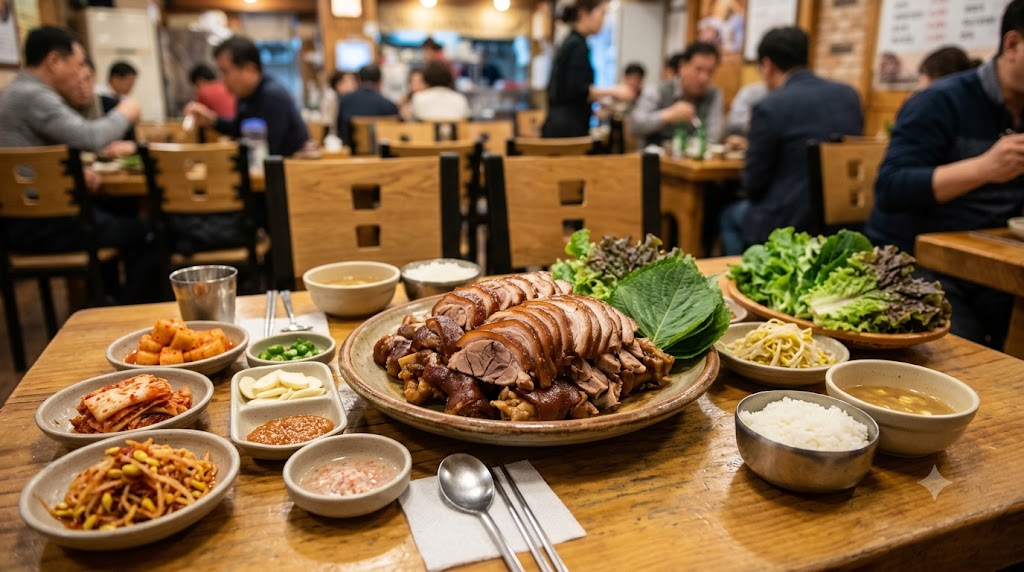
If jok already means foot, why is bal added again?
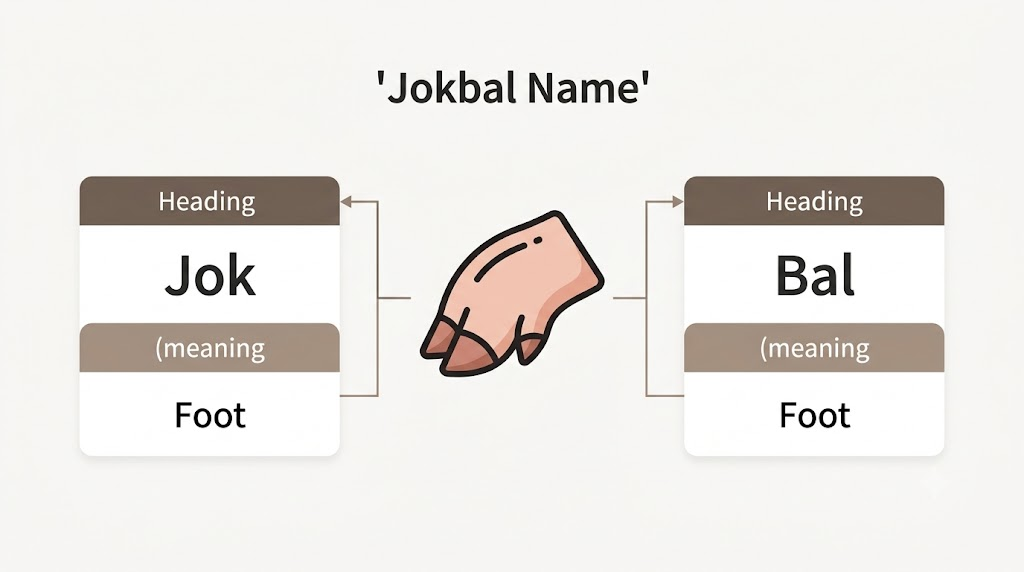
The ‘jok’ in jokbal comes from the Chinese character ‘足,’ which means foot. The Korean word ‘bal,’ also meaning foot, is added after it, so the name appears to repeat the same meaning twice. The Encyclopedia of Korean Culture also explains jokbal as a word combining the Sino-Korean ‘jok (足)’ with the Korean word ‘bal.’
For that reason, the meaning does not quite fit if jokbal is treated as a food name made from two Chinese characters. The word ‘jokbal,’ combining the Sino-Korean ‘jok’ and Korean ‘bal,’ came to be widely used for both the pig’s foot portion and the dish made from it.
Old records of pig’s feet are a little different from today’s delivery-app jokbal
Records of cooking and eating pig’s feet also appear in older documents. 『식료찬요』, written by 전순의 in 1460, mentions soup made by boiling pig’s feet, while 『농정회요』, published around 1830, includes a description of boiled pig’s feet eaten with chojang.
It is difficult to treat these older dishes as exactly the same as the soy-seasoned jokbal commonly eaten today. They share the use of pig’s feet as an ingredient, but seasonings and preparation methods changed over time. That is why traces of older pig’s-foot dishes and the modern form of jokbal are best viewed separately.
Where did the modern form of jokbal come from?
The jokbal familiar today is generally made by boiling or cooking pig’s feet and then braising them with soy-based seasoning. Related sources connect it with the Hwanghae-do regional dish called ‘돼지족조림.’ 돼지족조림 is described as a dish in which pig’s feet are thoroughly cooked and then slowly braised with starch syrup, soy sauce, and spices.
The story of refugees from North Korea settling in Jangchung-dong, Seoul, after the Korean War and selling jokbal using this type of cooking method is also part of the background of modern jokbal. The source records the example of ‘평안도집’ operating in Jangchung-dong in 1961, along with the later growth of jokbal restaurants in the area.
Rather than saying jokbal was first created by one particular restaurant, the historical record fits better with the idea that older pig’s-foot dishes, Hwanghae-do-style braising, and the popularity of restaurants in Jangchung-dong gradually came together.
When choosing front leg or hind leg, look at the cut rather than the dish type
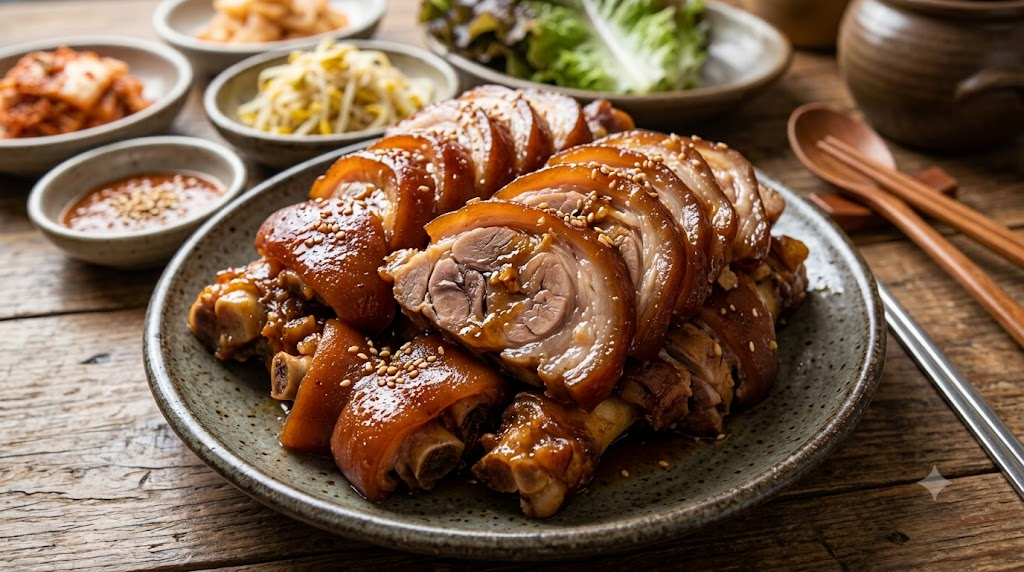
The terms you are most likely to see when ordering are front leg and hind leg. Rather than being completely different dishes, they mainly tell you which leg portion of the pig was used. Even when the same restaurant cooks them with the same seasoning, the proportion of lean meat, skin, tendon, and bone differs, so they may be listed separately on the menu.
| Menu term | What it refers to | What to keep in mind |
|---|---|---|
| Jokbal | A dish made by cooking and seasoning the pig’s foot portion | The name can refer to both the cut and the finished dish |
| Front leg | The front-leg side of the pig’s foot | Often indicates the cut used rather than a different cooking method |
| Hind leg | The hind-leg side of the pig’s foot | Size and trimming style vary by restaurant |
| Bossam | Boiled pork sliced and eaten with accompaniments | Even when sold with jokbal, the basis of the name is different |
Restaurants may differ in how they describe which cut is more tender or has more meat. Pig size and trimming also affect the result, so the menu description is best understood as that restaurant’s own guidance.
The difference becomes clearer when jokbal is served with bossam
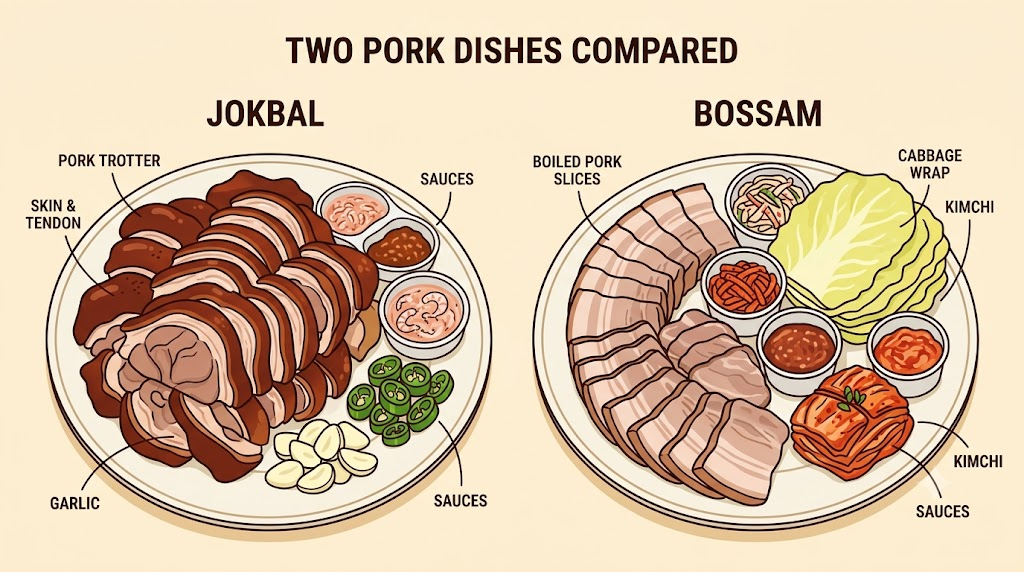
Jokbal and bossam often appear on the same table, but the names are based on different things. Jokbal centers on the pig’s foot portion. Bossam, by contrast, is used for a dish associated with eating boiled pork wrapped with kimchi or vegetables.
That means terms such as ‘족발보쌈’ or ‘족보세트’ do not describe one new dish. They refer to two different dishes sold together in one order. Even if the menu photos look similar, jokbal shows the foot portion, while bossam commonly uses other pork cuts such as pork belly or neck.
Spicy jokbal and cold jokbal add flavor or serving style to the base name
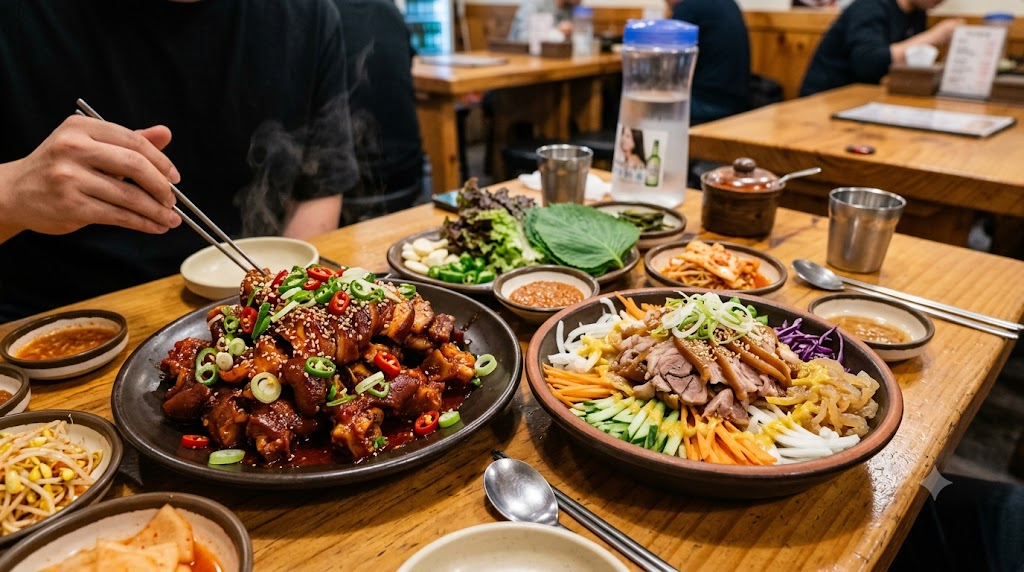
Spicy jokbal means jokbal flavored with spicy seasoning, while cold jokbal refers to jokbal served with vegetables and a chilled cold-dish dressing. Jokbal remains the main ingredient, but the words added around the name tell you more about the flavor and how the dish is eaten.
Sometimes a characteristic of the cut appears first, as in the term ‘미니족.’ Expressions like this can be seen not only on restaurant menus but also in neighborhood markets and on processed-food packaging. The word ‘족’ may refer to the pig’s foot portion, while ‘족발’ can refer to the finished dish, giving the term a broad range of uses.
The meaning of jokbal begins with the Sino-Korean ‘jok (足),’ meaning foot, combined directly with the Korean word ‘bal,’ also meaning foot. Today, the name refers to the dish made by cooking the pig’s foot portion, while front leg and hind leg indicate the cut used, and spicy jokbal or cold jokbal describe its flavor and serving style. Even when many jokbal options appear at once on a delivery app, this distinction makes the names much easier to read.
※ This content is provided as reference information about food names and food culture.
※ Food origins, regional names, and preparation methods may differ by document, region, household, and restaurant, so please also refer to official sources and actual menu information.
Korean version: 한국어로 읽기