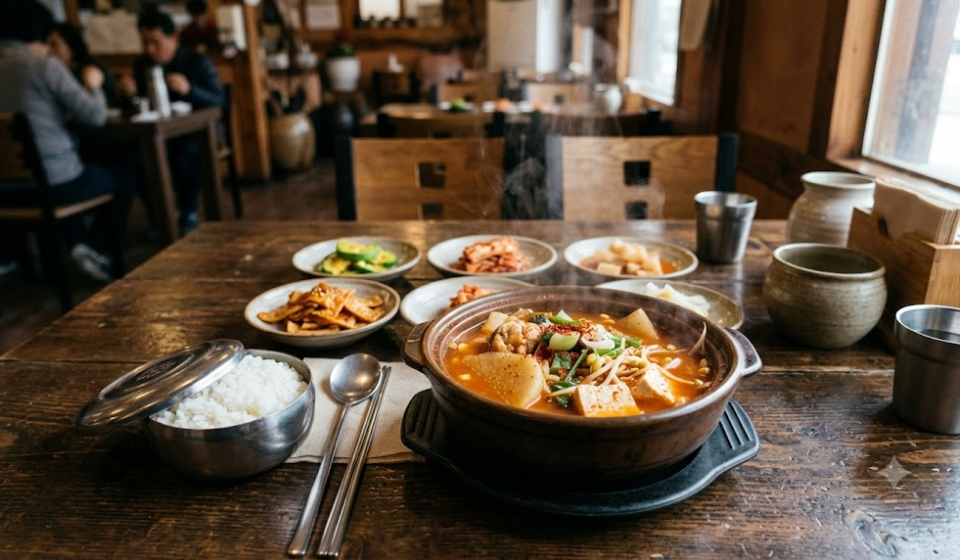

When choosing a soup from a restaurant menu, you may pause between dongtaetang and saengtaetang. Altang may be listed right beside them, and in photos all three can look quite similar, with fish in a reddish broth. Once you know the meaning of dongtaetang, the first word in the menu name matters more than the color of the soup.
Why the word “dongtae” matters when choosing dongtaetang
Dongtae does not refer to a different species of fish from myeongtae. The National Institute of Korean Language’s Basic Korean Dictionary defines dongtae as “frozen myeongtae,” or frozen pollock, and gives its Chinese-character form as 凍太.
The name dongtaetang therefore begins with the condition of its main ingredient. Dongtae, meaning frozen pollock, is at the center of the name, while “tang” tells you that it is a soup dish.
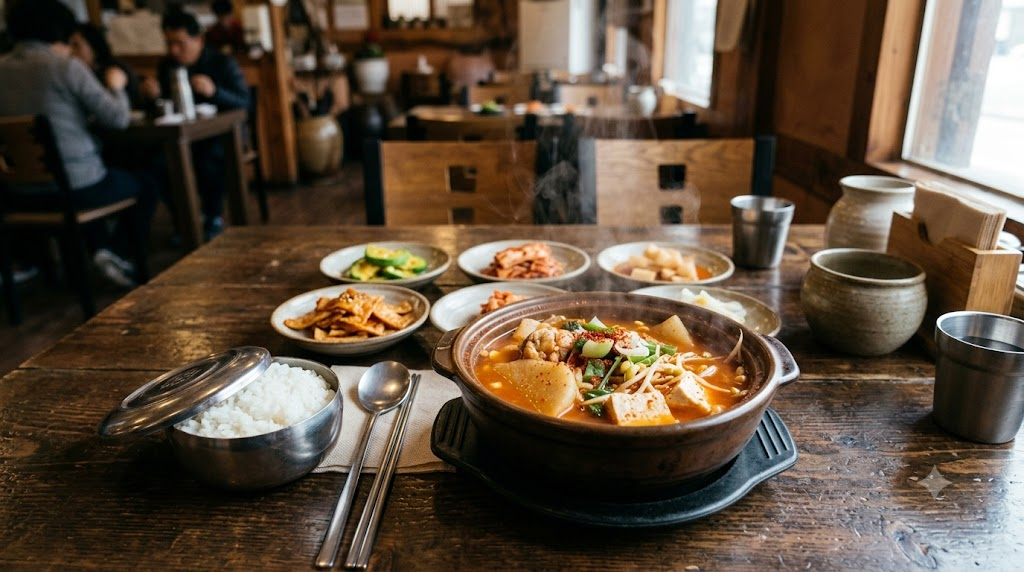
A bowl may contain pieces of dongtae along with radish, tofu, and vegetables. Restaurants may make the broth clear or spicy and use different amounts of bean sprouts or minari, but the food name itself points to dongtae as the main ingredient.
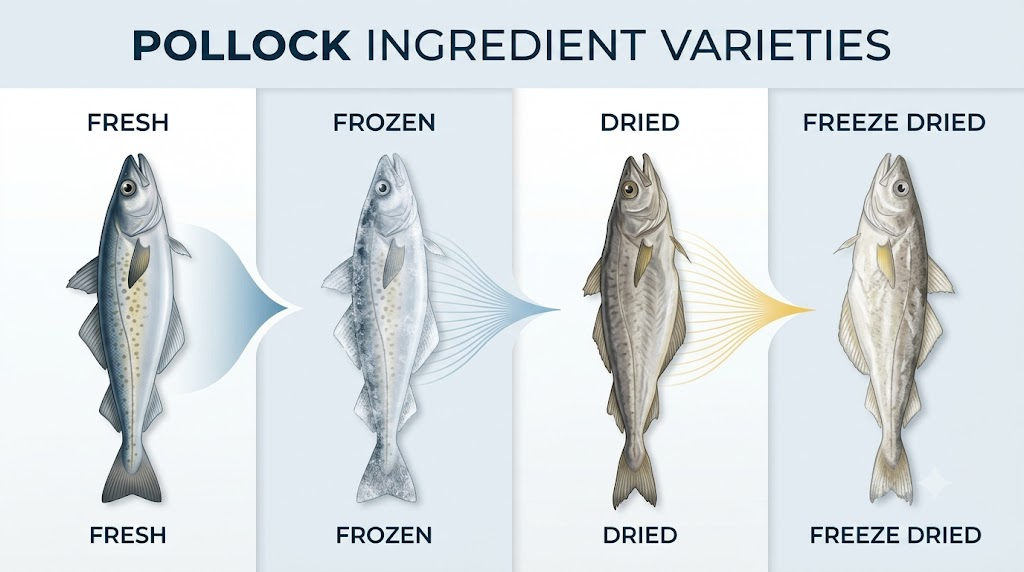
If you are deciding between saengtaetang and dongtaetang
The difference between the two menu items is closer to the condition of the pollock than to the species of fish. Pollock that has not been frozen is called saengtae, while frozen pollock is called dongtae. The same pollock is called bugeo when it is thoroughly dried, and hwangtae when it is dried outdoors through repeated freezing and thawing in cold weather.
In the National Institute of Korean Language’s survey of fishing-village vocabulary, dongtae also refers to frozen pollock and is distinguished from saengtae. So treating saengtaetang and dongtaetang as soups made from completely different fish does not match the meaning of their names.
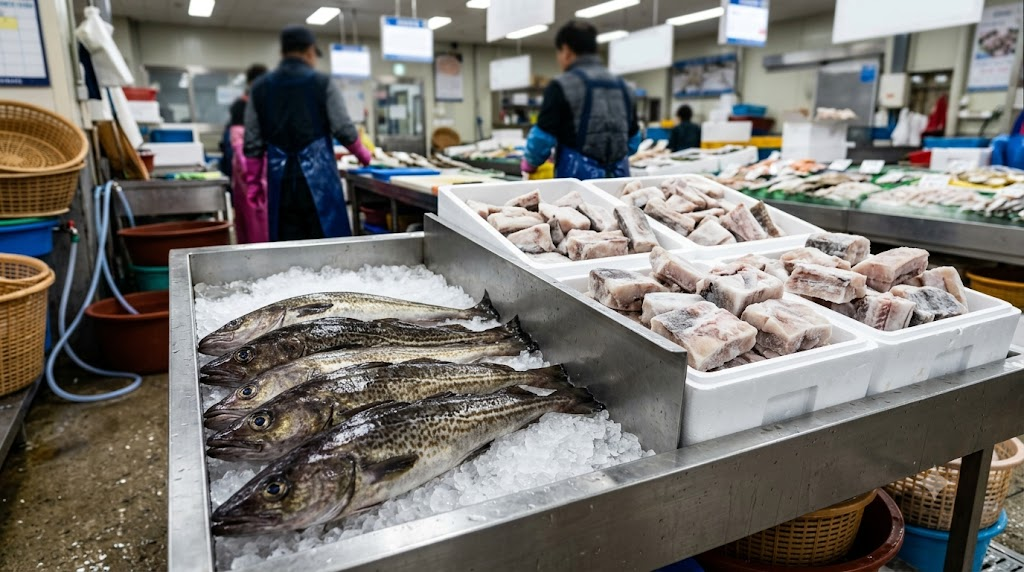
You can see a similar distinction at a supermarket. Prepared dongtae in the frozen section and fresh myeongtae at the seafood counter become dongtaetang and saengtaetang when those names appear on restaurant menus.
What separates altang from dongtaetang
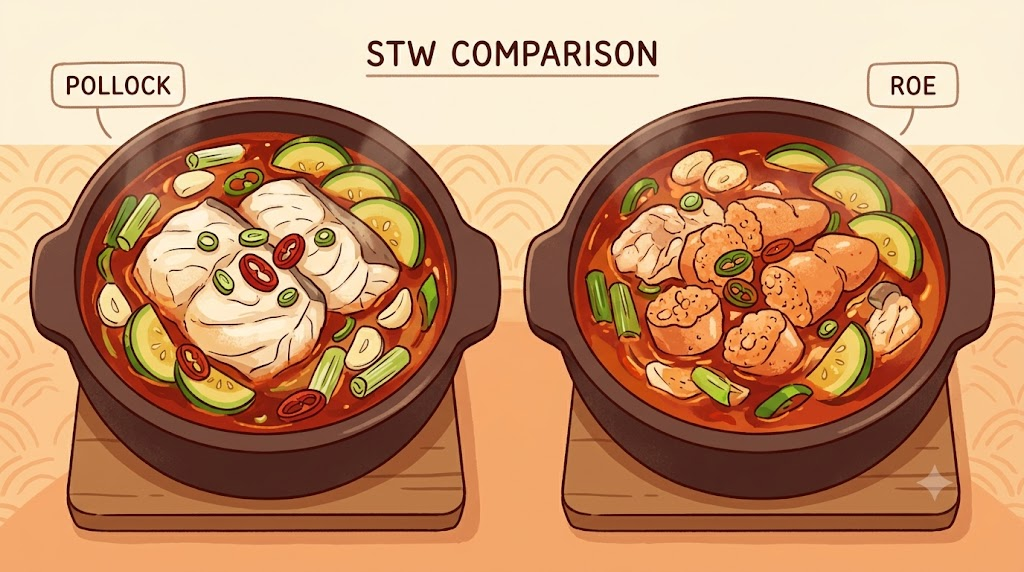
If altang appears beside dongtaetang, the question is no longer whether the fish is fresh or frozen. Instead, look at which ingredient the name emphasizes. Dongtaetang is named around frozen pollock, while altang puts fish roe at the front of the food name.
The ingredients in the bowls do not divide into perfectly separate groups. Dongtaetang may also contain roe, milt, or other innards, and some restaurants serve pollock flesh in altang. A few pieces of roe do not automatically make a soup altang, just as seeing some pollock flesh does not necessarily make it dongtaetang.
Menu terms for roe and innards can also vary quite a bit. In consultation material from the National Institute of Korean Language, “goji” is introduced as a term covering the milt, roe, and innards of myeongtae, while “goni” is explained as fish eggs inside the belly. Since restaurants may label these ingredients differently, checking the ingredient description before ordering is the more accurate approach.
Why the name dongtae-jjigae may also appear
At restaurants inside markets or on older shop signs, you may see the name dongtae-jjigae instead of dongtaetang. The two names are not far apart in meaning, since both refer to a broth-based dish cooked with dongtae.
Restaurants do not all divide tang and jjigae in exactly the same way. Some distinguish them by the amount of broth or seasoning, while others use the two words for very similar dishes.
Rather than assuming the names always describe completely different foods, it is better to read the menu description. Seeing how much dongtae flesh is included, whether roe and innards are added, and how much broth is served makes the choice clearer.
On the menu, look at the first word before the broth
The simplest way to understand dongtaetang is “a tang made with dongtae, meaning frozen pollock.” Here, dongtae is not the name of another fish. It describes the condition of myeongtae.
When comparing it with saengtaetang, look at whether the pollock is frozen. When comparing it with altang, look at which ingredient the dish name puts at the center. The term dongtae-jjigae may also be used in restaurants for a dish that feels very close to dongtaetang.
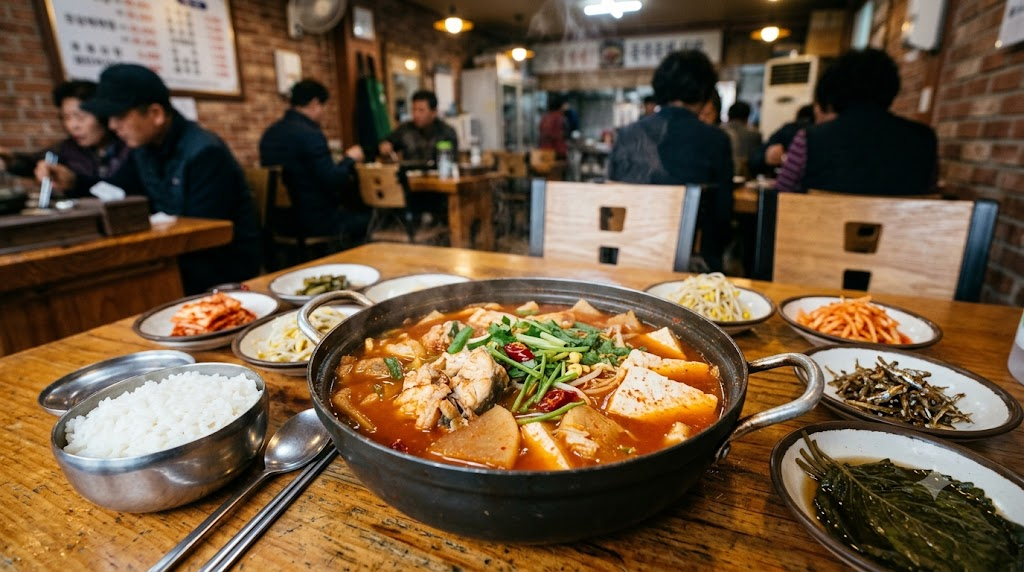
In the end, there is only one short idea to remember when you see dongtaetang on a restaurant menu. “Dongtae” means frozen myeongtae, and dongtaetang is a soup centered on that frozen pollock. The next time dongtaetang, saengtaetang, and altang appear together, look at the first word in each name before comparing the photos.
※ This content is intended as a reference for food names and food culture information.
※ Food origins, regional names, and cooking methods may vary by written source, region, household, and restaurant, so please also refer to official sources and the actual menu information.
Korean version: 한국어로 읽기