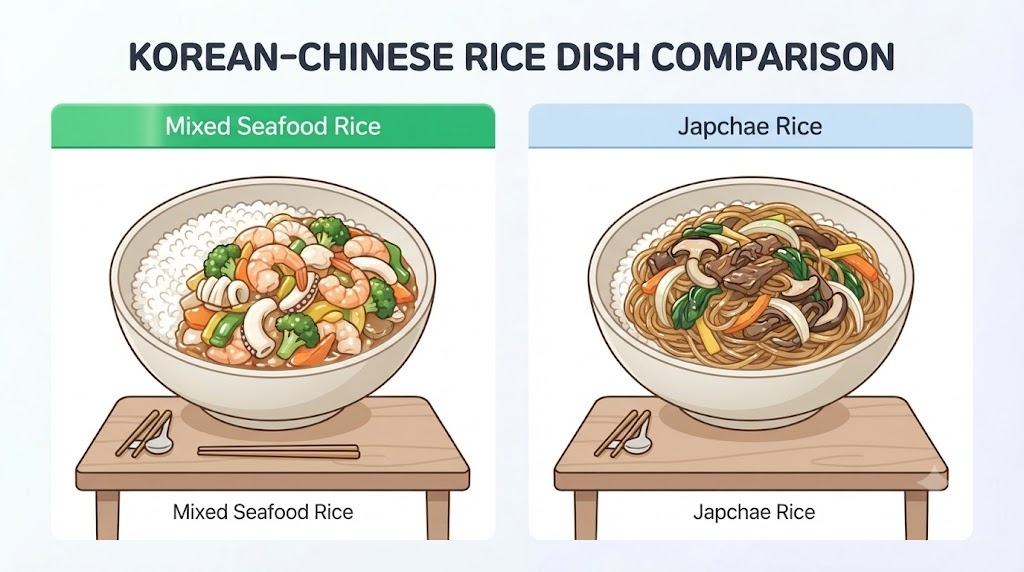

When choosing food at a Korean Chinese restaurant, you may see japchaebap and japtangbap listed together on the menu. The names look similar at first, but the dishes served on the plate are different. The word “japtang” may sound like a mixture of random ingredients, but in menu names it refers to a Korean Chinese dish made with various ingredients.
The Difference Between Japtangbap and Japchaebap With Similar Names
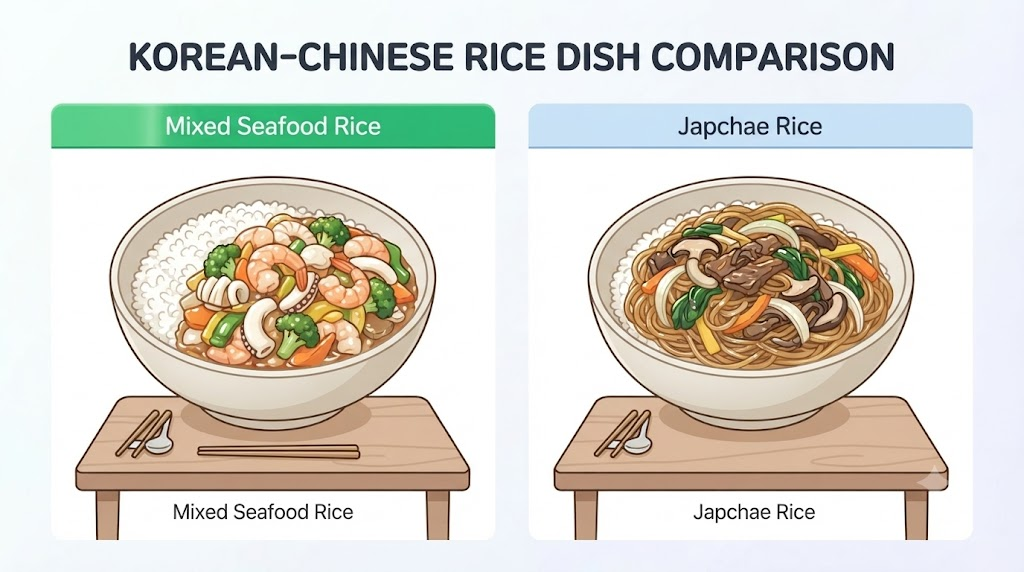
To understand the japtangbap name meaning, it helps to separate it from japchaebap. Both dishes contain several ingredients, but the main ingredients that define each dish are different.
| Part of the Name | Main Meaning | Food Described on the Menu |
|---|---|---|
| Japtang | A dish made with various ingredients together | A Korean Chinese dish using seafood, vegetables, and other ingredients |
| Japchae | A dish made by stir-frying glass noodles with various ingredients | A meal with japchae placed over rice |
Japtangbap focuses on the combination of various ingredients rather than one specific ingredient, while japchaebap centers on japchae itself. When both names appear together on a menu, looking at the word after “jap” makes the difference clearer.
What Meaning Is Hidden in the Two Characters of Japtang?
In japtang, jap means that many different things are mixed together, and tang has been used to refer to boiled food or soup-based dishes. The expression came to appear in food names as a way to describe dishes made with several ingredients.
However, japtangbap sold at Korean Chinese restaurants is usually not a soup with a lot of broth. It is generally served as a rice dish with a stir-fried dish made from various ingredients. The word “tang” remains in the name, while the appearance of the dish reflects how it became established as a Korean Chinese menu item.
How Japtangbap Is Used on Korean Chinese Restaurant Menus
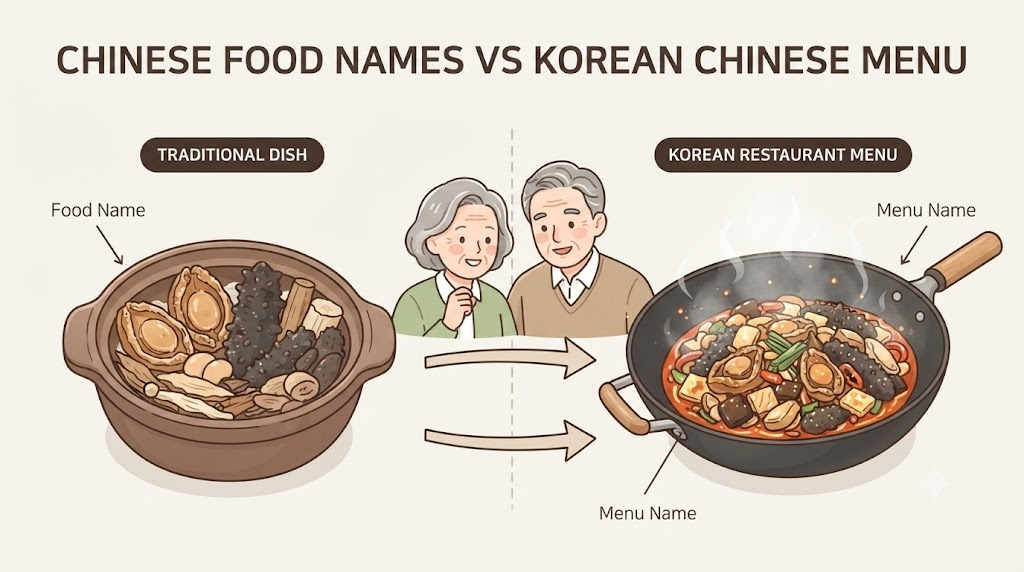
Korean Chinese dishes do not always use names created in exactly the same way as Chinese local food names. Like jajangmyeon and jjampong, which became established menu names in Korea over time, japtangbap can be understood in the same context.
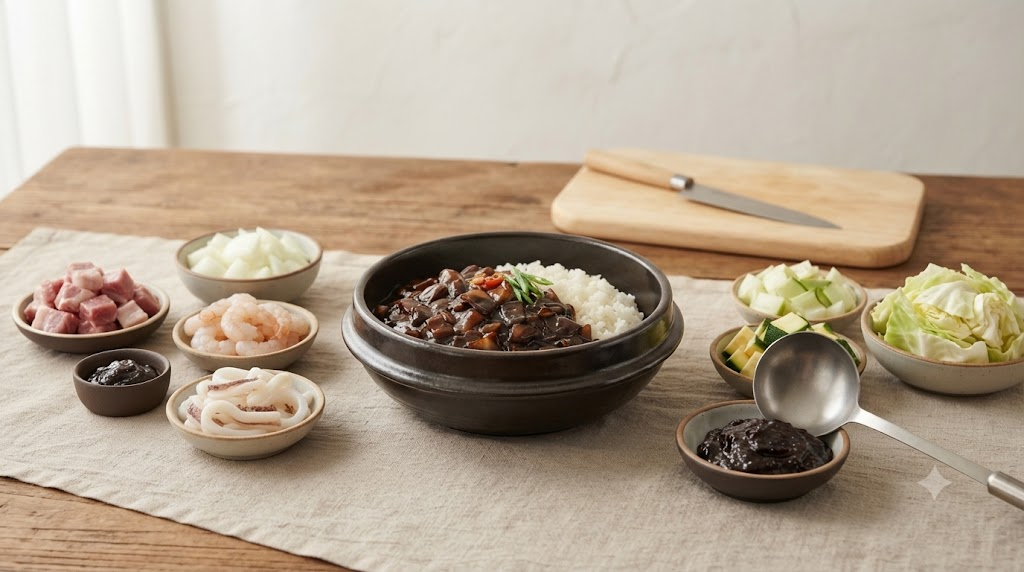
The amount of seafood, vegetables, and meat, as well as the style of sauce, differs by restaurant. Some places serve it closer to a stir-fried dish, while others place a thick sauce over rice. The same name can have different ingredients and appearances depending on the cooking method.
Why Chinese Food Names and Korean Chinese Menu Names Look Different
Chinese food names are often created from ingredients, cooking methods, and regional characteristics. Korean Chinese restaurant menus also use names that reflect ingredient combinations or the appearance of a dish so customers can imagine the food more easily.
Japtangbap is not a direct translation of a specific traditional Chinese dish name. Rather, it is an expression used in Korean Chinese restaurants to describe a rice dish containing various ingredients. Even when the same Chinese characters appear, the meaning in Chinese local food and Korean menus is not always identical.
A Name Found on Delivery Apps and Old Chinese Restaurant Signs
You can still find the name japtangbap on delivery apps and Korean Chinese restaurant menus today. It appears among familiar rice dishes such as jajangbap and fried rice, and it is used to describe a rice dish containing various ingredients.
The word japtang may make it sound like a dish where ingredients are simply mixed together, but on menus it often refers to a Korean Chinese dish made by combining different ingredients. The reason the same name continues from old restaurant signs to modern delivery menus is that this way of calling the dish has become familiar.
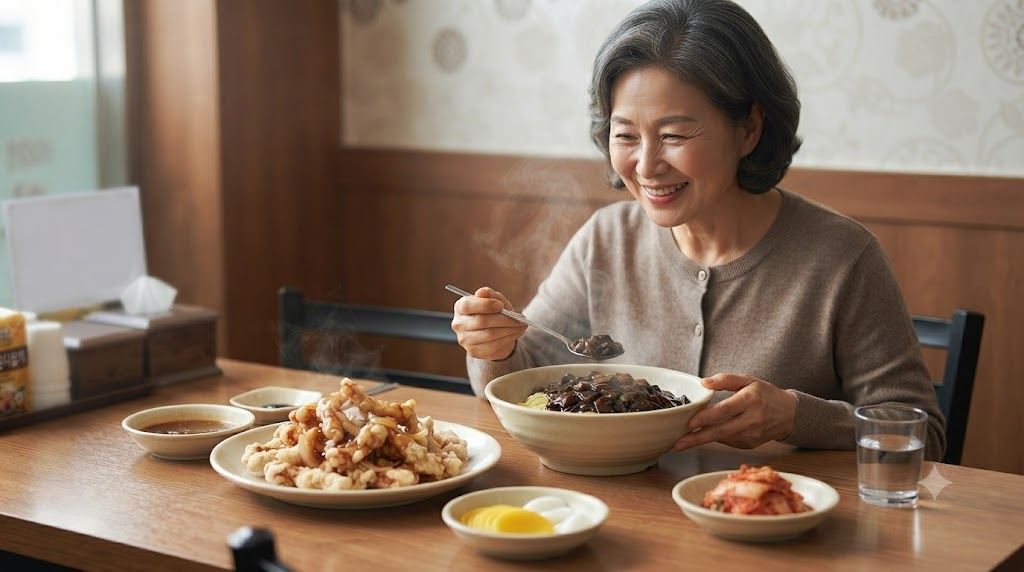
The japtangbap name meaning comes from the idea of a dish made with various ingredients together. In Korean Chinese menus, it refers to a rice dish using ingredients such as seafood and vegetables, and it differs from japchaebap in its main ingredients. When you see japtangbap on a Chinese restaurant menu, looking beyond the word “jap” and checking what ingredients are combined makes the meaning of the name clearer.
※ This content is provided as reference information about food names and food culture.
※ Food origins, regional names, and cooking methods may vary depending on documents, regions, families, and restaurants, so please consider official sources and actual menu information together.