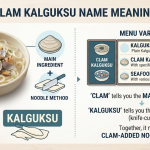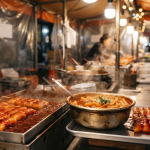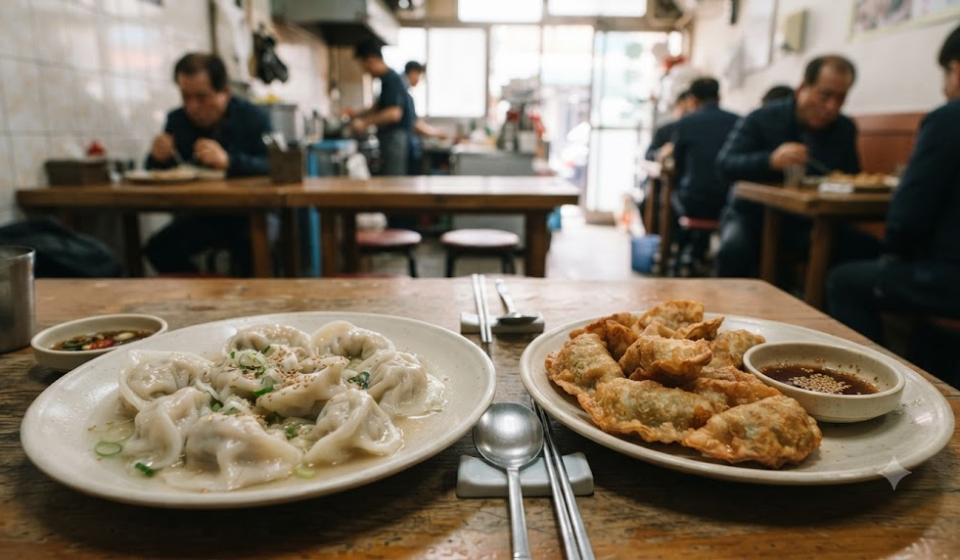

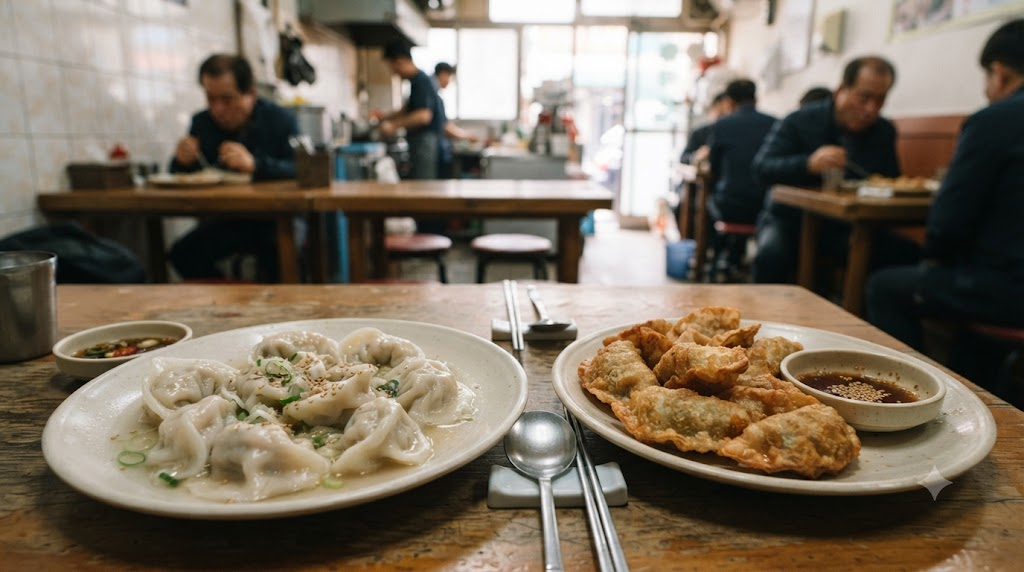
On a Korean snack shop menu, mulmandu and gunmandu often appear side by side, and even their names create a clear contrast. Gunmandu easily brings to mind golden-brown fried dumplings, but the “mul,” meaning water, in mulmandu can be less obvious. It may sound as though the dumplings come with plenty of broth or are served sitting in water. In practice, mulmandu may arrive drained on a plate with almost no liquid, which can make the connection between the name and the dish confusing.
The Meaning of “Mul” Becomes Clearer Next to Gunmandu
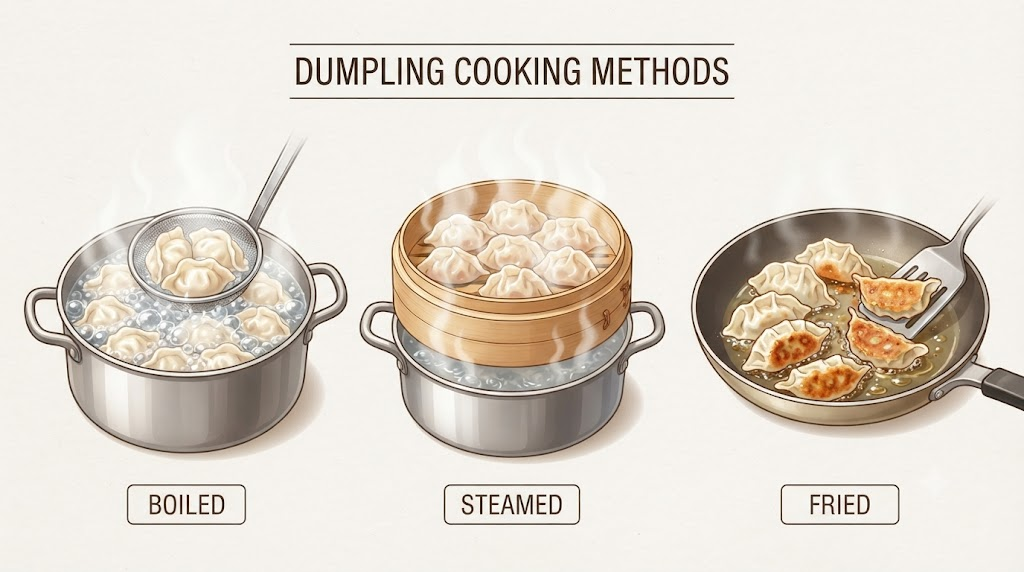
The meaning of the name mulmandu is better understood by looking at how the dumplings are cooked rather than the dish they are served in. According to material from the National Institute of Korean Language, mulmandu is explained as “dumplings boiled in water,” and the word is also presented as a combination of “mul + mandu.” In other words, the “mul” at the beginning does not describe the filling. It refers to the cooking process.
This naming pattern becomes clearer when mulmandu is compared with gunmandu and steamed mandu. Gunmandu emphasizes dumplings cooked by frying them until the outside browns, while steamed mandu takes its name from cooking with steam. Mulmandu follows the same pattern: the method of cooking the dumplings in water became part of the food name.
Boiling Dumplings in Water Does Not Automatically Make Manduguk
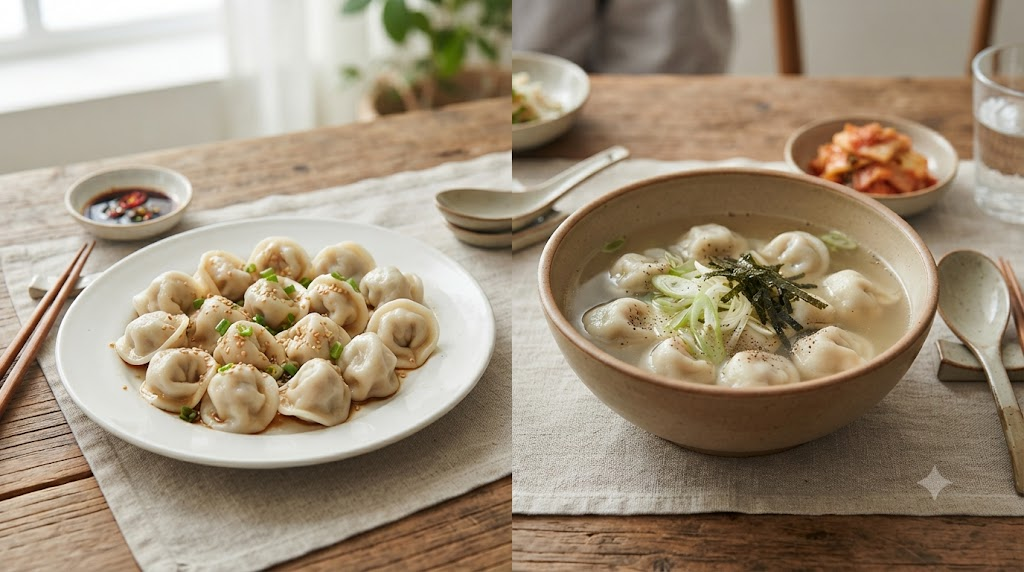
This is why mulmandu and manduguk can easily be mistaken for the same food. In both dishes, dumplings may be cooked in water or broth, but the menu names point to different finished forms.
| Menu name | What the name highlights | How it is commonly served |
|---|---|---|
| Mulmandu | Boiled in water | Dumplings boiled, drained, and served on a plate |
| Steamed mandu | Cooked with steam | Steamed dumplings served on a plate |
| Gunmandu | Cooked by frying | Dumplings with a golden-brown exterior |
| Manduguk | Soup containing dumplings | Dumplings and broth served together in a bowl |
The Encyclopedia of Korean Culture describes manduguk as a dish in which dumplings are cooked in hot broth. So the fact that dumplings are cooked in liquid does not make mulmandu and manduguk the same menu item. Mulmandu places more emphasis on the boiling method, while manduguk refers more directly to a soup in which dumplings are eaten together with the broth.
The Name Does Not Mean “Small Dumplings”
Mulmandu sold in restaurant menus or supermarket freezer sections is often made in a small, bite-sized shape. Because of this, it is easy to assume that the word mulmandu itself means small dumplings. The basic meaning of the name, however, comes from boiling the dumplings in water, not from their size.
Other ingredient names may also be added in front, as in meat mulmandu or shrimp mulmandu. Here, “meat” or “shrimp” describes the filling, while “mulmandu” identifies the type of dumpling and its cooking style. Products and restaurants can still differ in their fillings, size, and shape even when they use the same mulmandu name.
The Origin of “Mulmandu” Does Not Need to Be Reduced to One Old Story
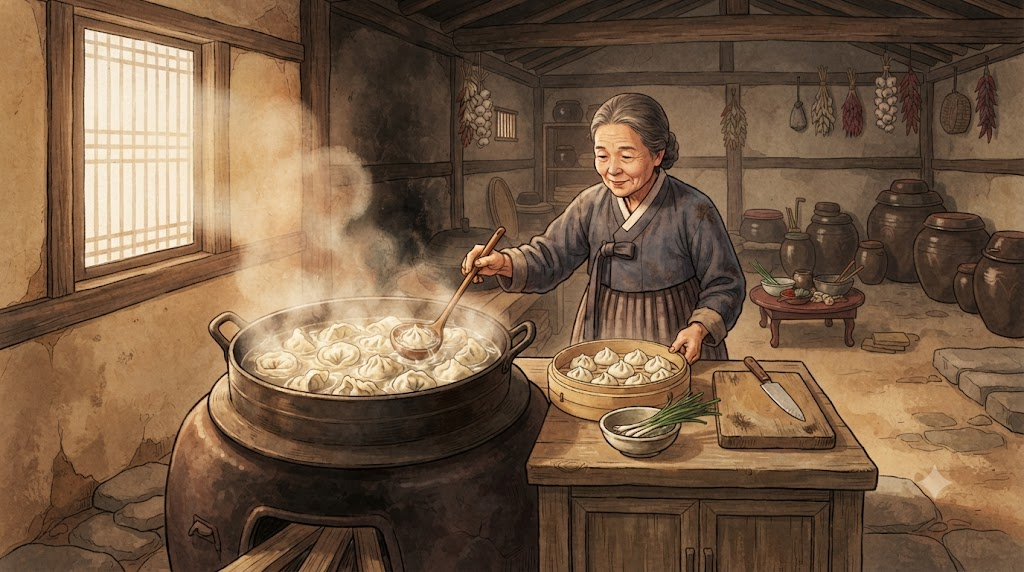
Mandu has been recorded in Korea for a long time. The Encyclopedia of Korean Culture explains that it is difficult to determine exactly when mandu came from China, while noting that the name mandu already appears in records from the Goryeo period. Records from the Joseon period also show forms of mandu prepared by boiling.
That does not mean the modern compound word “mulmandu” first appeared because of one particular event in a specific period. What can be explained clearly from documented language material is the word structure “mul + mandu,” meaning dumplings boiled in water. It is better not to assign one exact starting point to when this particular name first came into use.
At a Snack Shop, Look at the Cooking Method When Ordering
If mulmandu and gunmandu appear next to each other on a menu, there is no need to assume that their fillings must be completely different. The more useful clue is how the dumplings are cooked. Mulmandu refers to the softly boiled form, while gunmandu emphasizes dumplings cooked by frying.
Supermarket product names may become longer with terms such as “rice mulmandu,” “meat mulmandu,” or “shrimp mulmandu” added in front. Even then, the basic meaning of “mulmandu” at the end remains the same. Any separate cooking instructions printed on the package should be checked for each product.

In the end, the mulmandu name meaning comes from the cooking method: dumplings boiled in water. Small size and broth are not required parts of the name. When mulmandu appears between steamed mandu and gunmandu on a snack shop menu, the clearest way to read the name is as a reference to how the dumplings are cooked.
※ This content is provided as reference information about food names and food culture.
※ Food origins, regional names, and cooking methods may differ across documents, regions, households, and restaurants, so please also refer to official sources and the actual menu information.
Korean version: 한국어로 읽기